Your platform.

Your brand.

The infrastructure is ours. Your brand is yours.

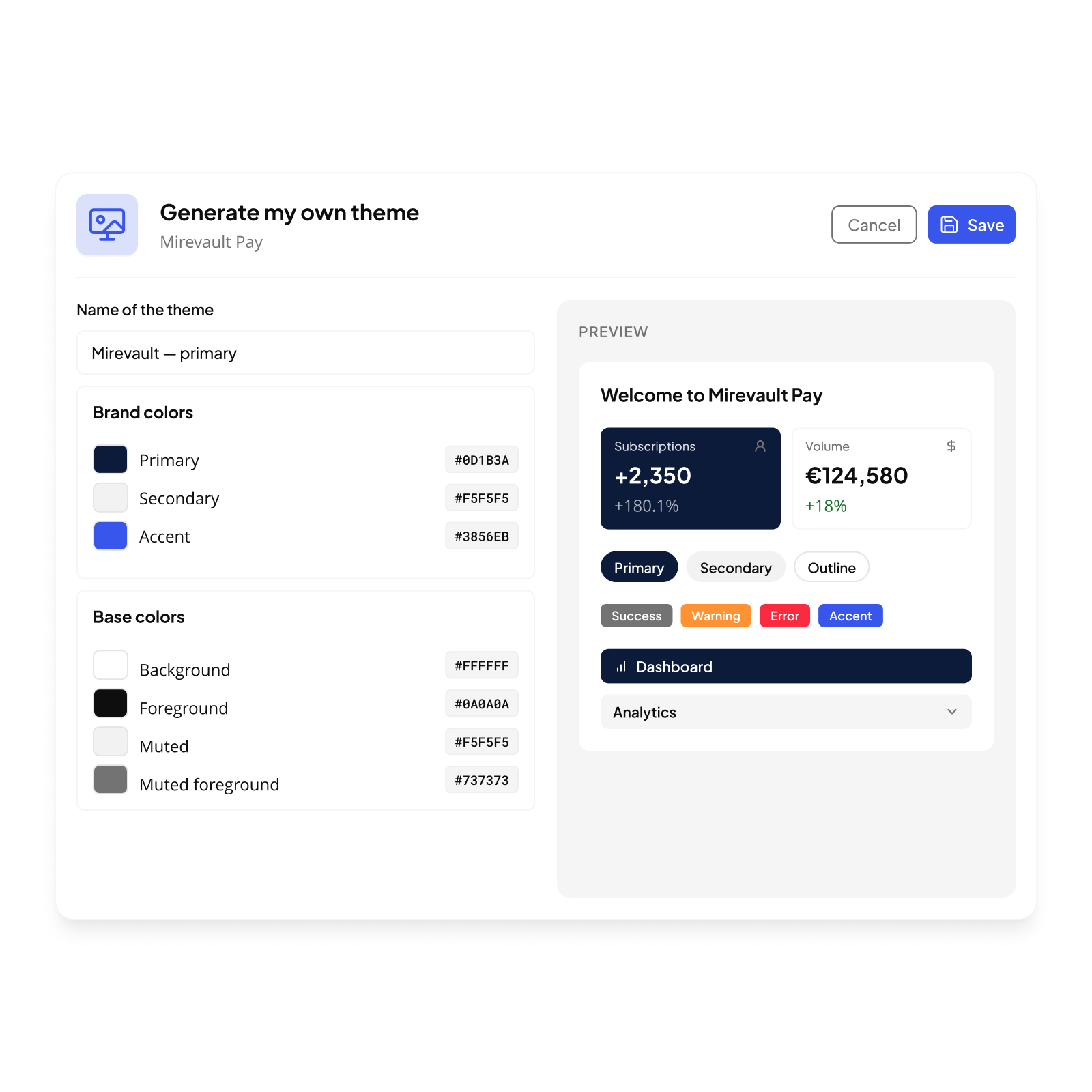
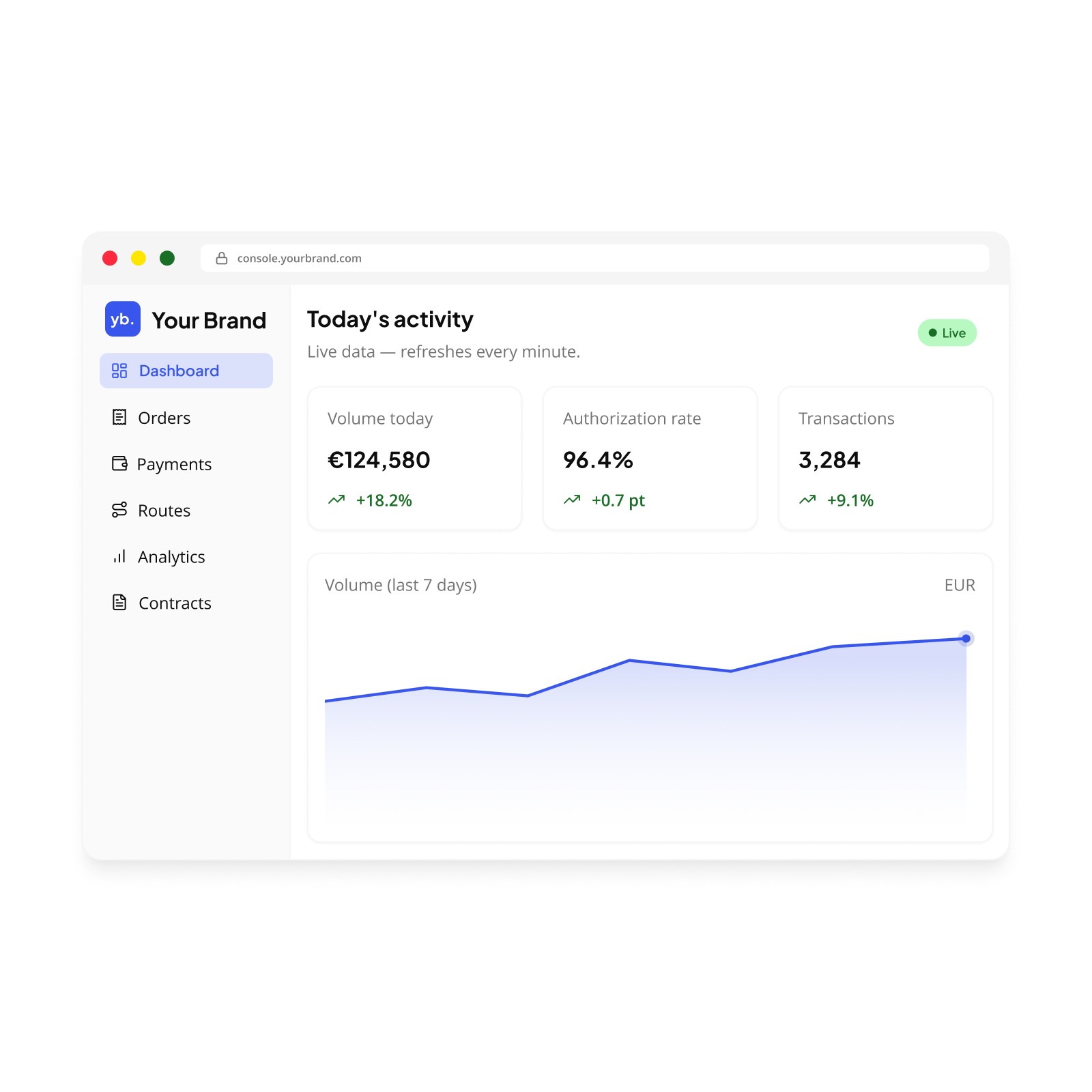
Launch a branded payment platform with your own domains, menus, scopes, roles and payment stack. Your users experience everything under your brand. The infrastructure layer underneath is ours.

Book a demo
White-label payment platform console displayed under an operator brand
Everything you need. Already built.

A payment platform is far more than an API. It needs white-label branding, configurable menus, multi-layer scope hierarchies, role-based permissions, hosted payment pages, provider contract management, event delivery, operational reporting and audit trails. NORBr provides every one of these as configurable, production-ready infrastructure.

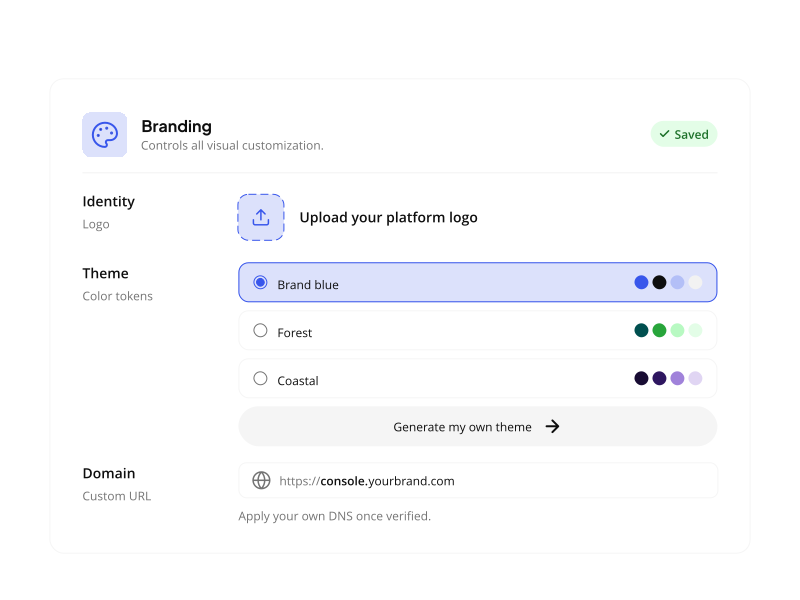
Custom domains and branding

Custom domains and branding

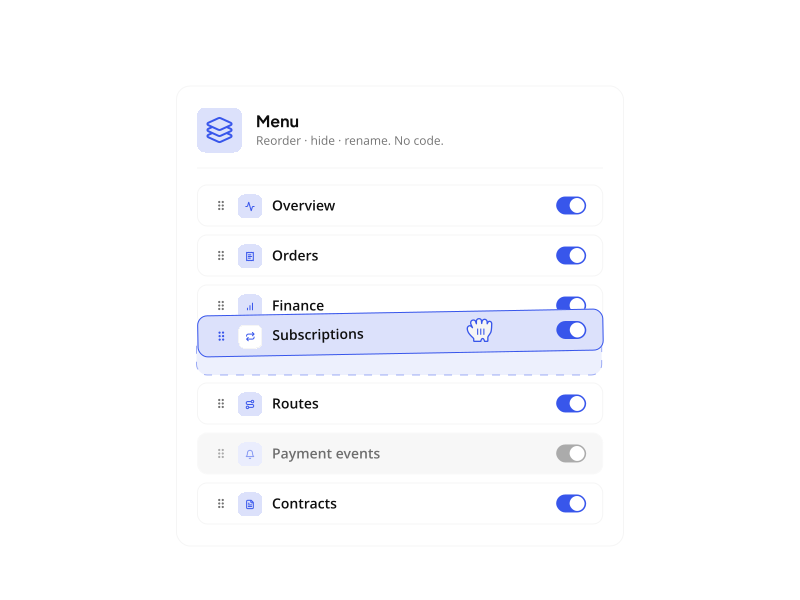
Configurable menus

Configurable menus, one experience

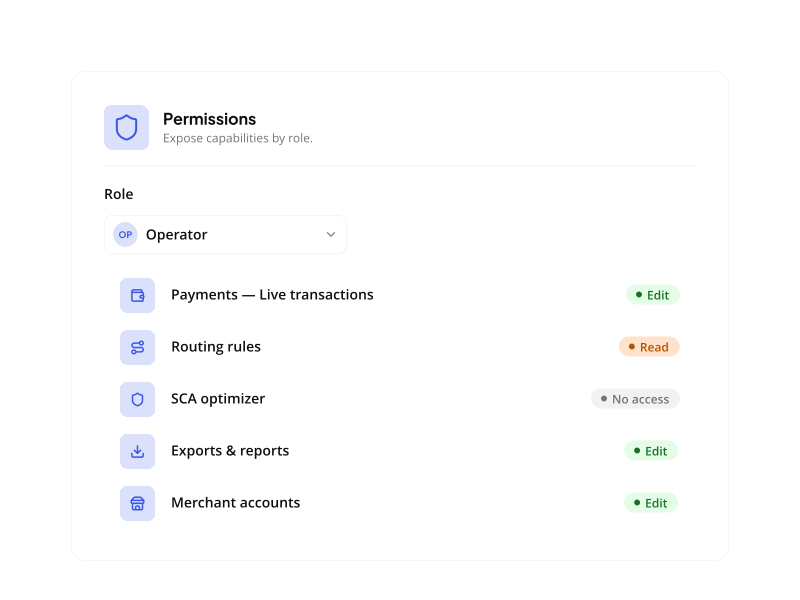
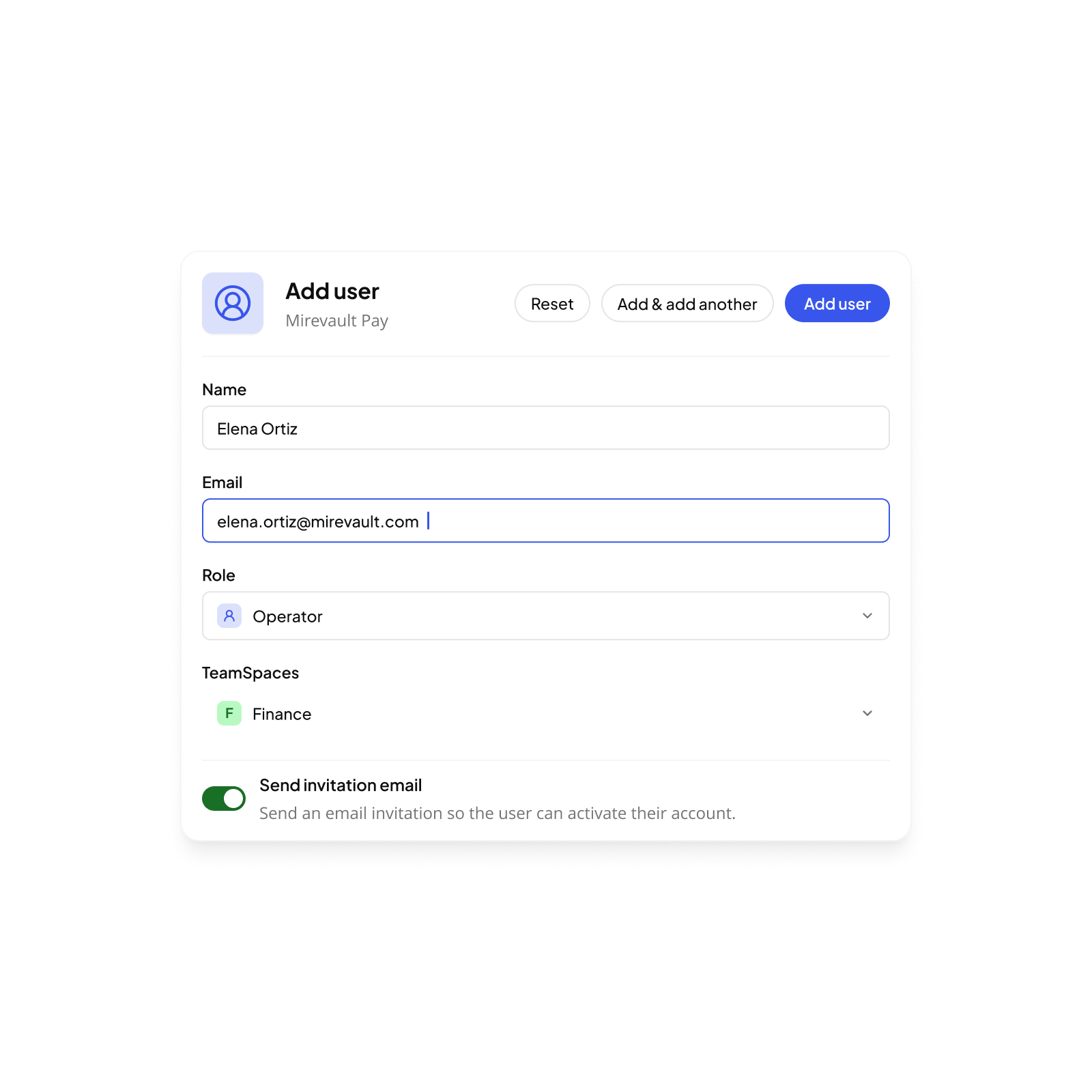
Role-based permissions

Role-based permissions

Multi-layer scope hierarchy

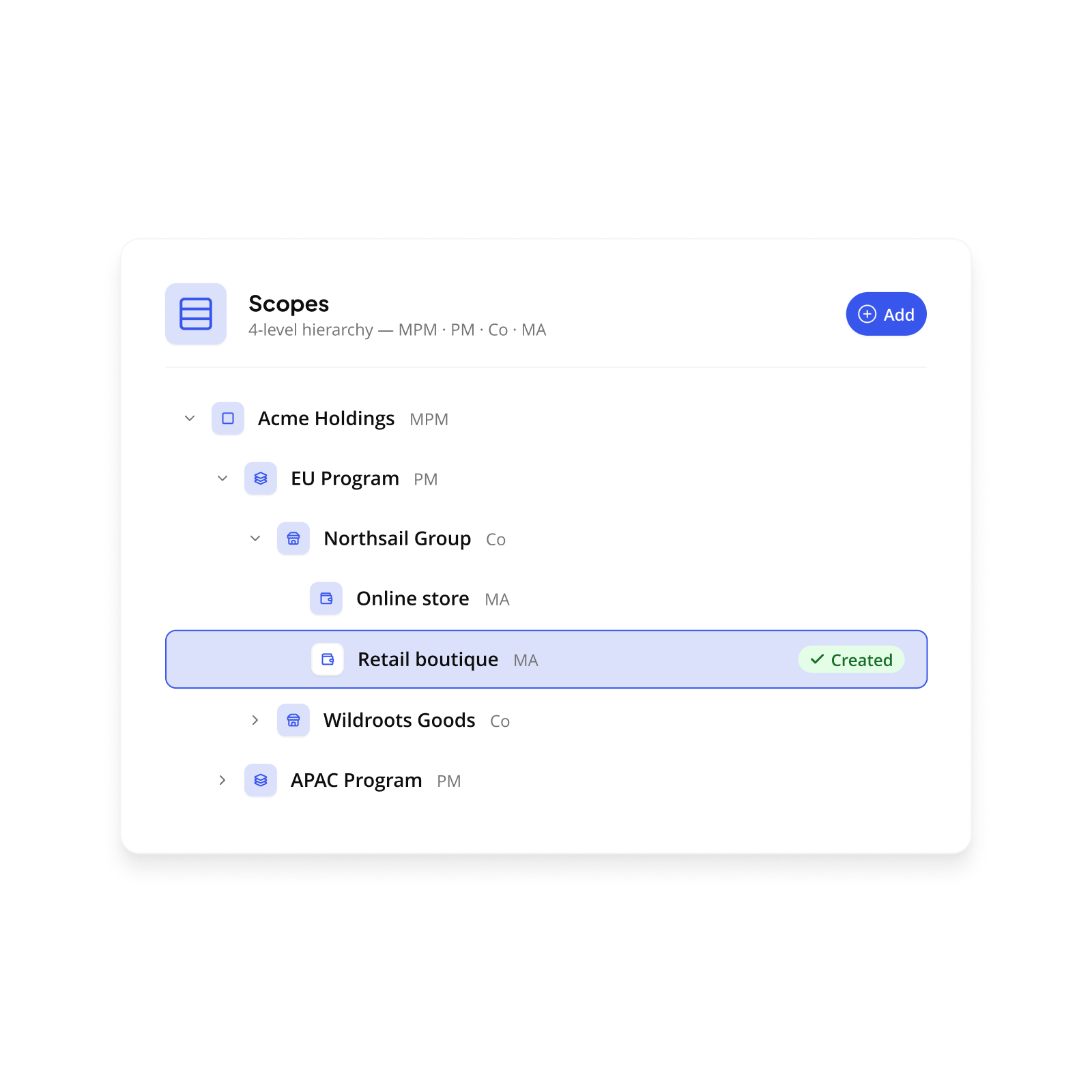
Multi-layer scope hierarchy

Hosted payment pages

Hosted payment pages

Audit logs and event delivery

Audit logs and event delivery
Configure, not construct.
Interface branding
Brand the interface
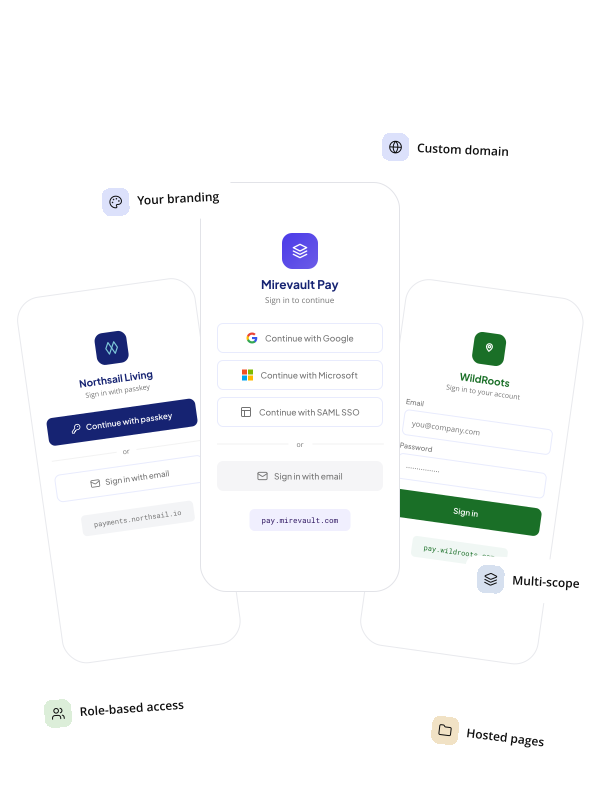
Your merchants log in to a console that carries your brand. Custom domain. Your themes. Your hosted pages. The layer underneath stays out of sight.
Operator-branded console login screen with a custom domain
Access control
Control who sees what
Expose capabilities by role, scope, market or client type. Read-only stays the default, and explicit flows apply when a change matters.
Role and scope permission settings in the Console
Platform governance
Govern without developing
Rename menus, hide modules, configure hosted pages and set domain rules from the Console. No engineering work required for operational changes.
Menu configuration and hosted page settings in the Console

However you operate, model it exactly.

Payment operators come in many forms. You might power a franchise network, resell payment services under your own brand, embed payments inside your software, act as the master merchant for a marketplace, or run an ISO on your own gateway. NORBr models each of these with the same scope levels, and TeamSpaces sit on top for the way your teams actually work. Find the one closest to yours.

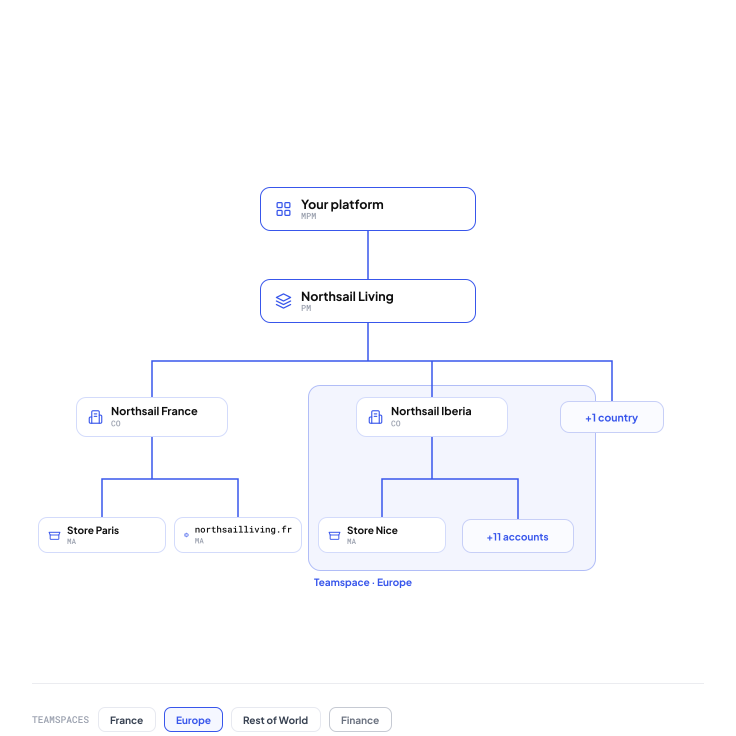
Account structure for a franchise network across countries and stores
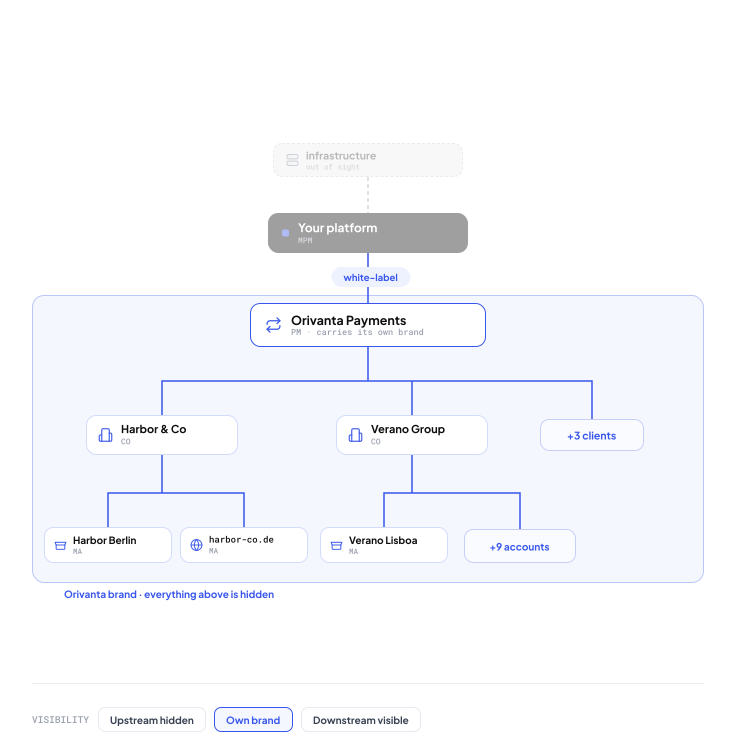
Cascading account structure for an operator reselling payments under its own brand
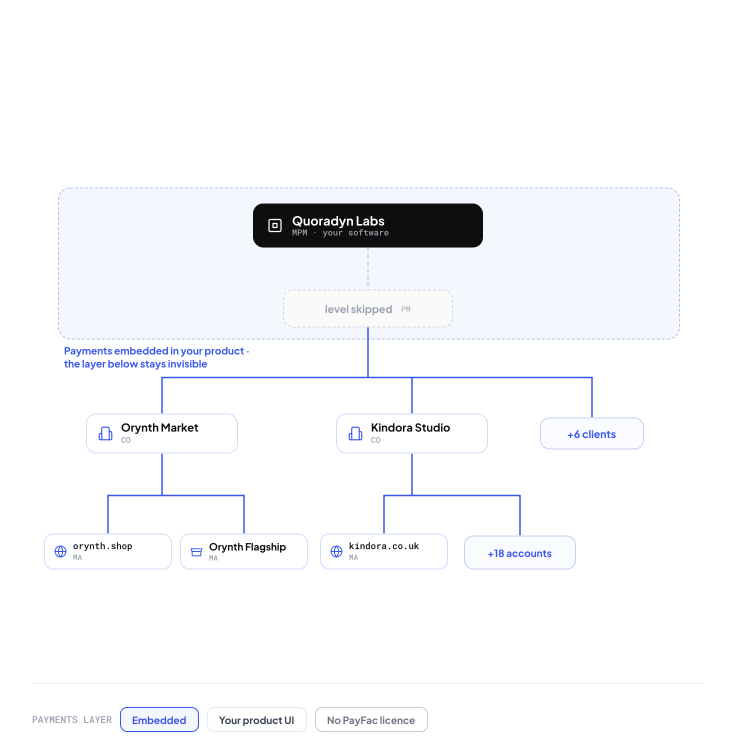
Flat account structure for payments embedded inside a software product
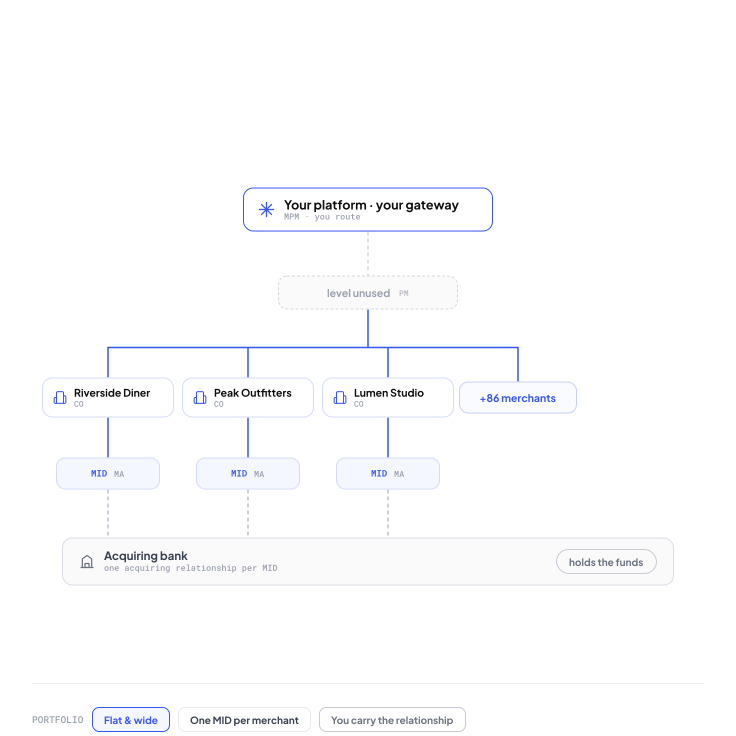
Account structure for an ISO running its own gateway, one account per merchant
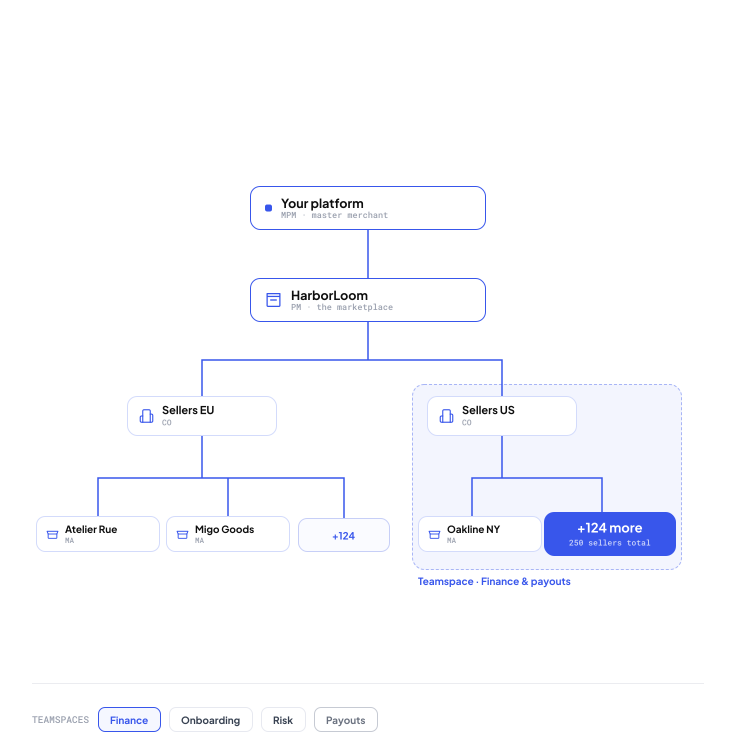
Master merchant account structure with seller accounts grouped into cohorts
You power a franchise network
One of your merchants is a franchise brand selling across many countries, online and in store. Each market takes its own merchant account, each store keeps its own registers, and the whole network rolls up under one company. Local teams work inside their own scope, head office reads the consolidated picture, and store and e-commerce flows resolve in the same matching layer.
You resell payments under your brand
You take payment infrastructure and resell it as your own product. The operators you serve do the same with theirs, one level down, and their merchants sit below that. At every level, the layer beneath carries the brand above it: a merchant sees the operator it signed with, that operator sees you, and the infrastructure behind you stays out of sight. You run the whole cascade. Each party works within its own layer.
You embed payments in your software
You sell software, and payments are a feature inside it. The businesses using your software pay through it as if the capability were built in house. You configure the payment side from one place, across every account, and your engineering team stays on the product. The structure stays as flat as you need: use the levels that fit your model. Payments feel native, and the infrastructure stays out of view.
Your ISO, your own gateway
You run an ISO, and you built your own gateway on top of the infrastructure. You bring merchants onto acquiring relationships at better terms, and each merchant keeps its own account and its own MID. The structure stays flat and wide, one entry per merchant, however many you sign. You provide the technology and the routing. The acquiring bank carries the funds, and you carry the relationship.
You are the master merchant
You are the master merchant, and your sellers transact under you. You onboard them, you own the merchant relationship, and you move their payouts, all from one structure. Sellers join in the hundreds, each as its own account, grouped into the cohorts you actually manage. Each seller works inside its own account and sees only its own activity. You see the whole marketplace, and the settlement that flows across it.
Built to last. On your terms.
Infrastructure decisions are long-term commitments. The provider you choose today shapes what you can offer in three years. NORBr is built on a decade of payment operations expertise, certified annually by independent auditors, and designed to grow with your platform at any scale. Provider-agnostic by design. Modular by architecture. The same stack carries every operator on the platform.
10+
years payment expertise
NORBR
40+
certified providers
NORBR
PCI DSS
AOC 2026–2027
NORBR
From configuration to live platform.
Scope hierarchy setup screen in the Console
Branding configuration with domains, theme and menu settings
Role, permission and TeamSpace assignment screen
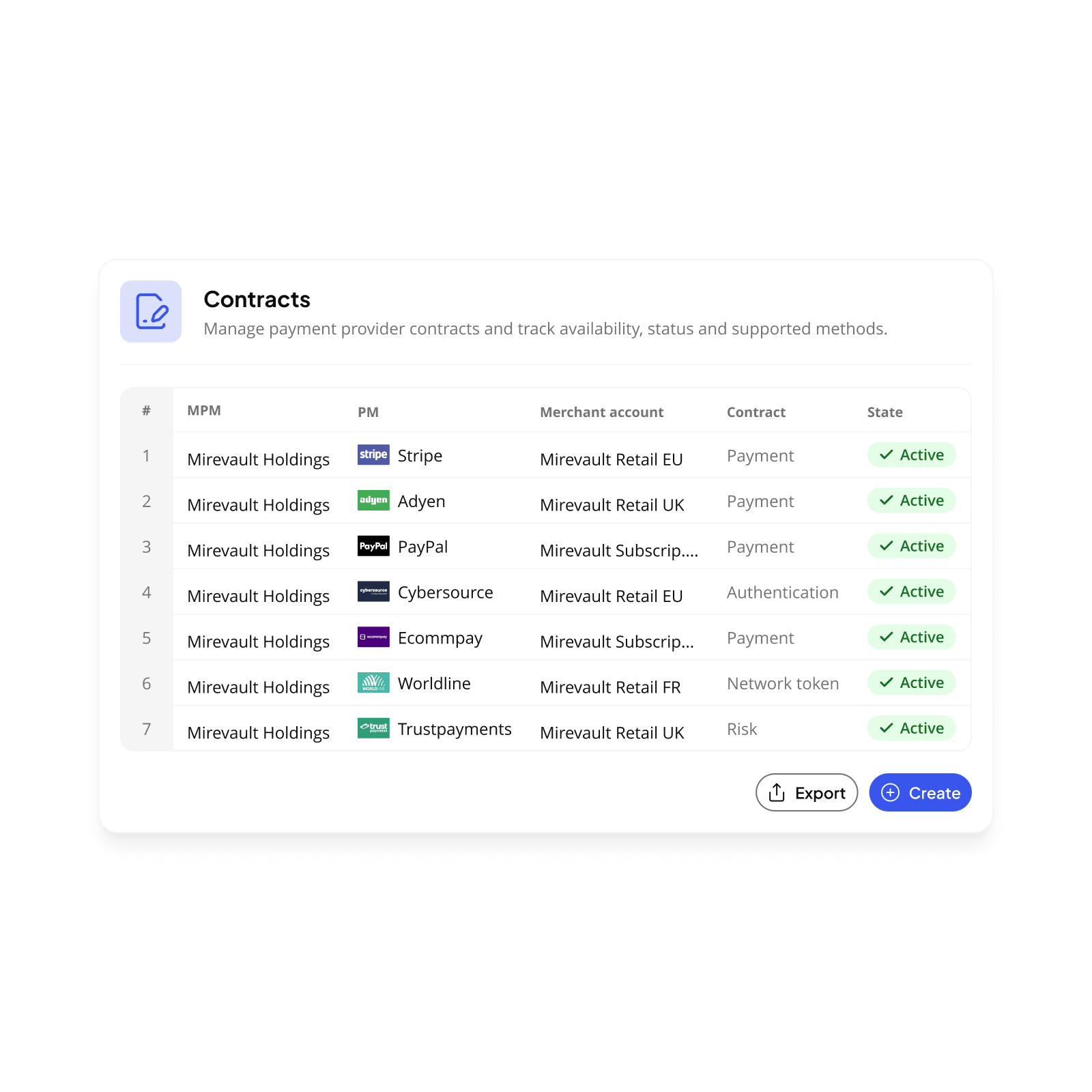
Provider contract configuration and activation test screen
Live merchant console running entirely under the operator brand
Define scopes
Set up Meta Program Managers, Program Managers, Companies and Merchant Accounts.
Configure brand
Apply domains, themes, menus and hosted UI.
Assign access
Grant roles, permissions and TeamSpaces.
Activate payments
Connect providers through governed contracts.
Go live, stay invisible
Your merchants run under your brand. NORBr remains invisible.
Depth your competitors struggle to ship.
Branding a payment platform is the easy part. The hard part is offering each merchant an experience that matches its business: its team structure, its terminology, its reporting standards, its finance processes. You configure that depth without writing a line of code for it. Access governance for all of it lives in Platform Operations & Security.
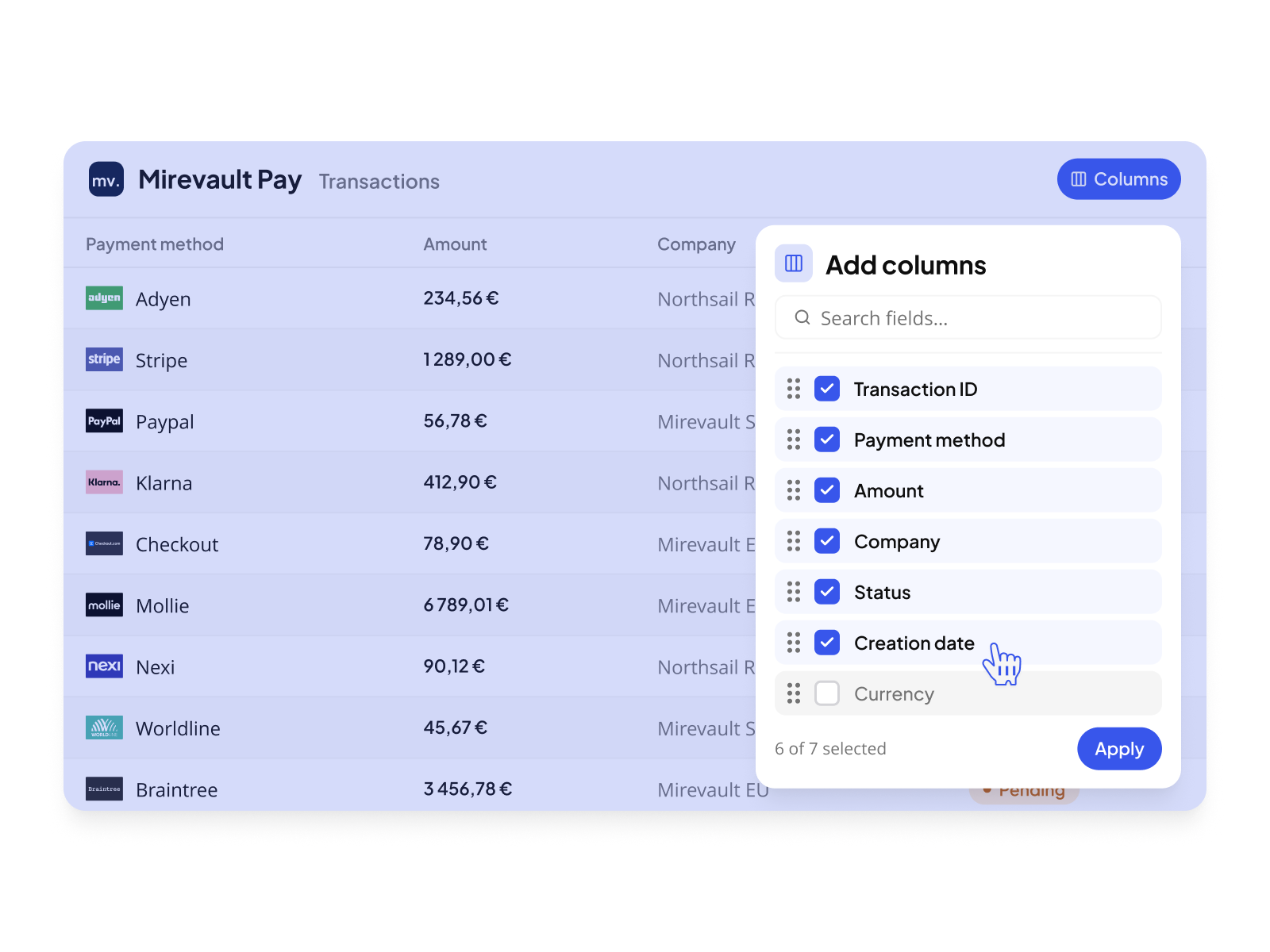
Custom views
Views your merchants configure themselves
Your merchants build the views they need from any object table in your platform: transactions, orders, contracts, tokens, operations. They choose the columns, the filters, the sort order. They save those views and share them across their own teams. You ship the canvas. They make it theirs.
Merchant building a custom transaction view with selected columns and filters
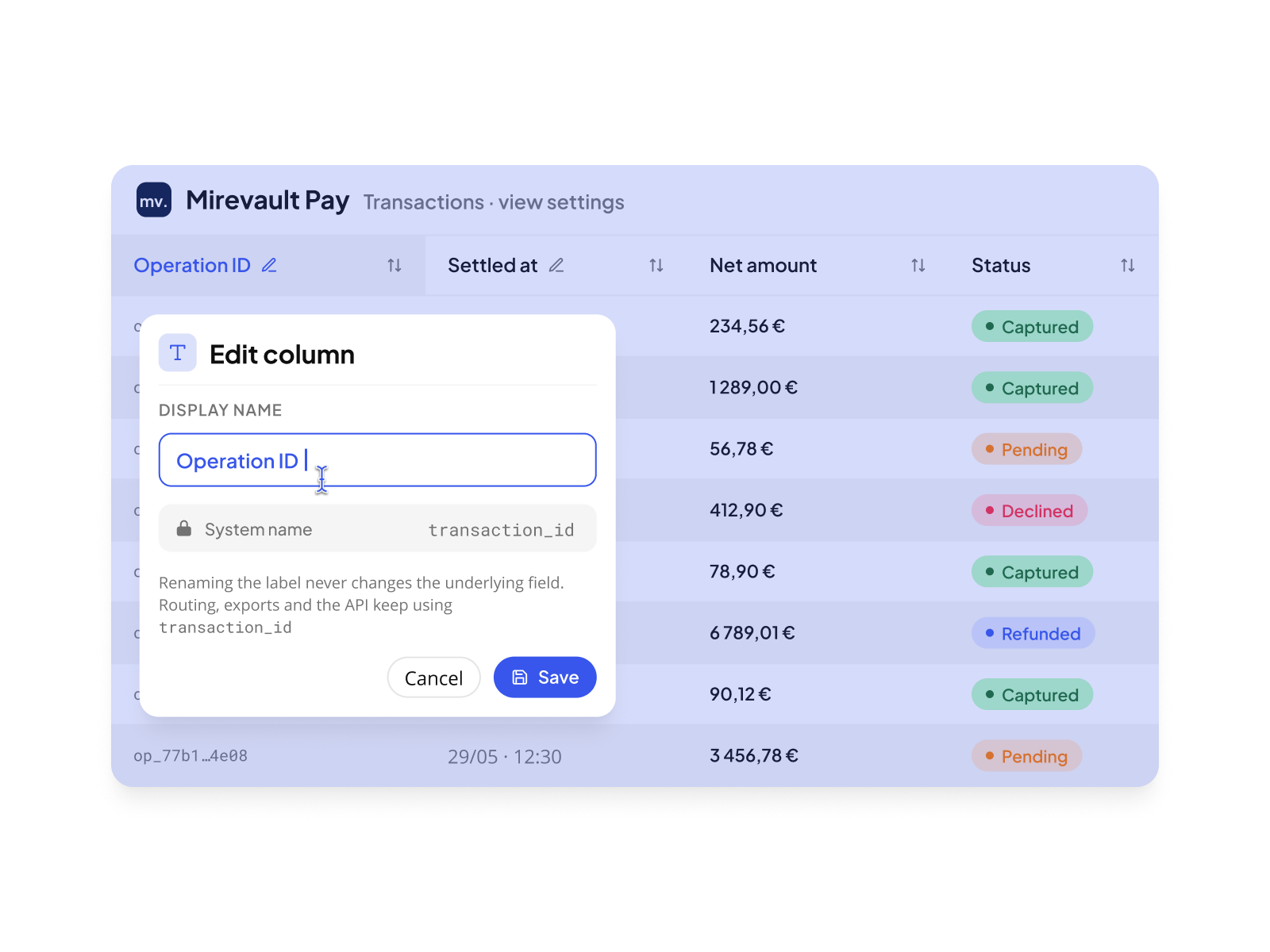
Custom naming
Internal nomenclature, respected
Column names, field labels and view titles can be renamed to match each merchant's internal nomenclature. A merchant that calls its transactions "operations" sees "operations". A merchant that calls them "tickets" sees "tickets". No glossary mismatch between your platform and the language each merchant already uses.
Column names and field labels renamed to a merchant's own terminology
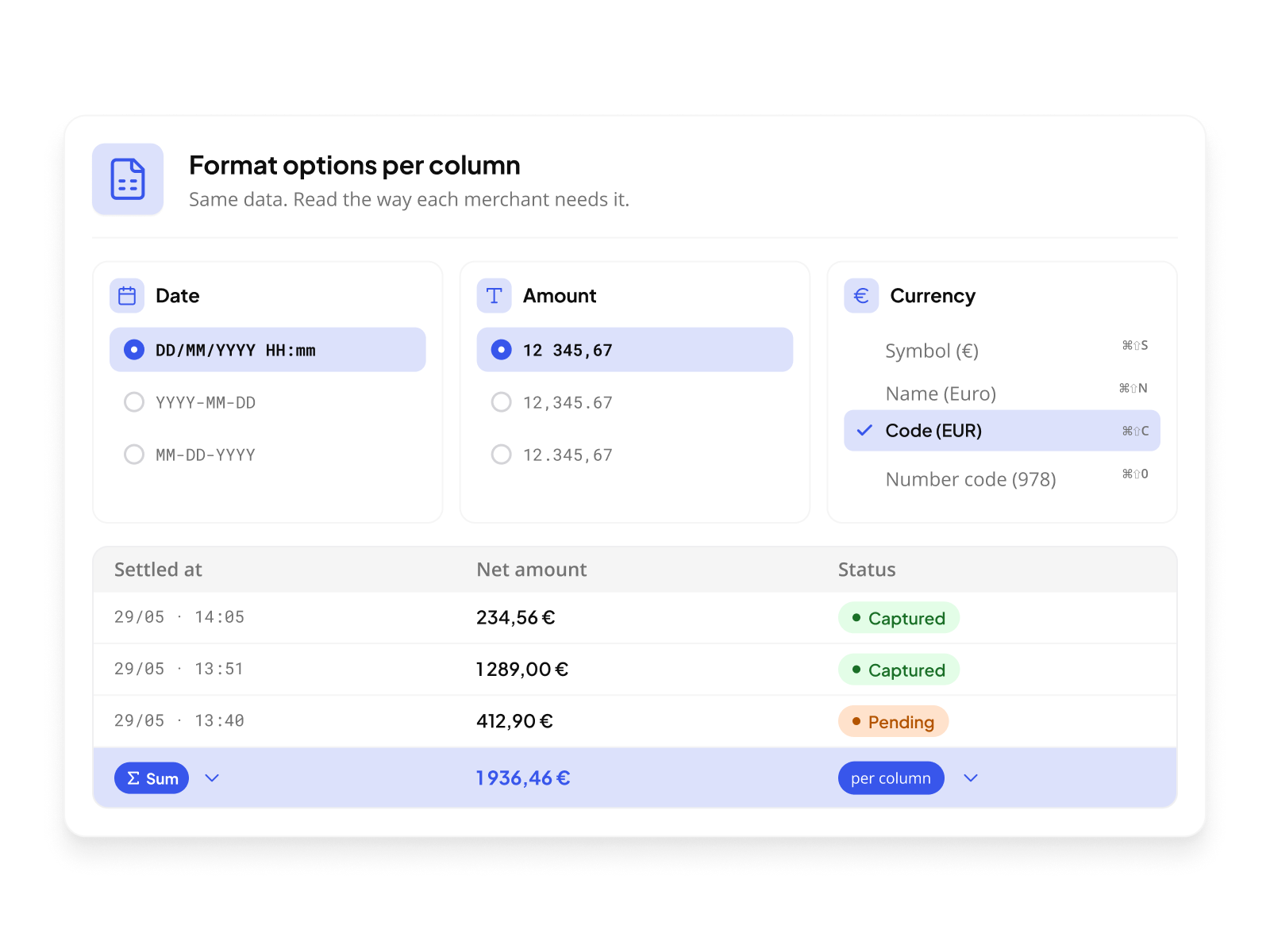
Column formatting
Column formats tuned to the last detail
Every column type carries its own display options. Dates, amounts, currencies and statuses can each be rendered the way your merchants need to read them. Numeric columns can carry a footer calculation, like sum or average, directly inside the table. The data does not change. The way each merchant reads it does.
Column display options for dates, amounts and currencies with a footer calculation
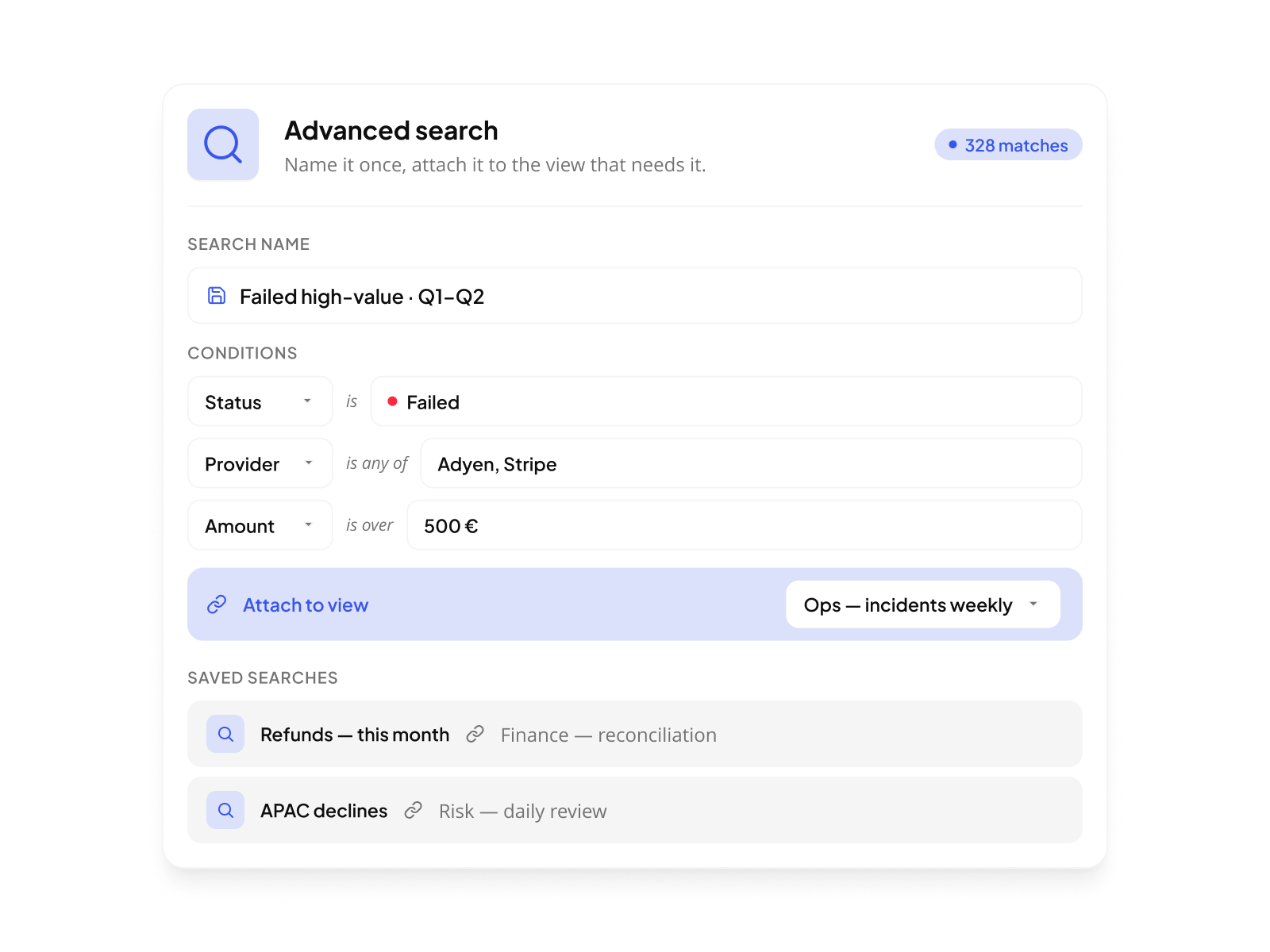
Saved searches
Saved searches attached to the views that need them
Filter combinations get complex fast. Your merchants build a search form once, name it, and attach it to the view where it belongs. The search becomes part of the view, not a one-off query lost at the next refresh. Reusable. Reproducible. Shared with the right people when needed.
Saved search form attached to a transaction view
View visibility
Private, shared or team-wide. Every view has its audience.
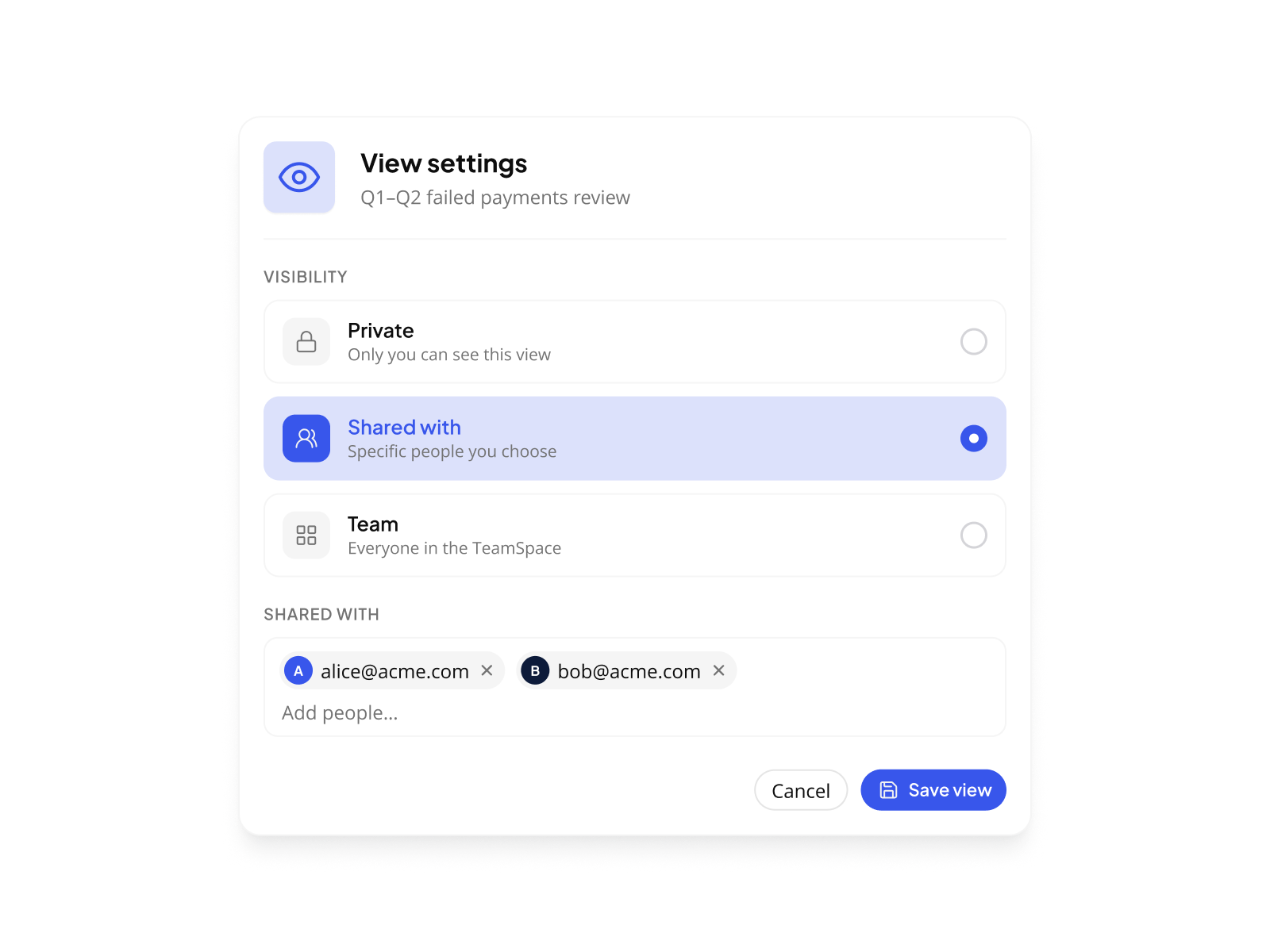
Every view your merchants create has a visibility rule. Private when it serves one person's workflow. Shared with named colleagues when it supports a specific collaboration. Made available to a whole team when it should become standard practice. The view system carries its own permission model, decided by the merchant.
View visibility settings across private, shared and team-wide options
Dashboards
Dashboards composed from the widgets that matter
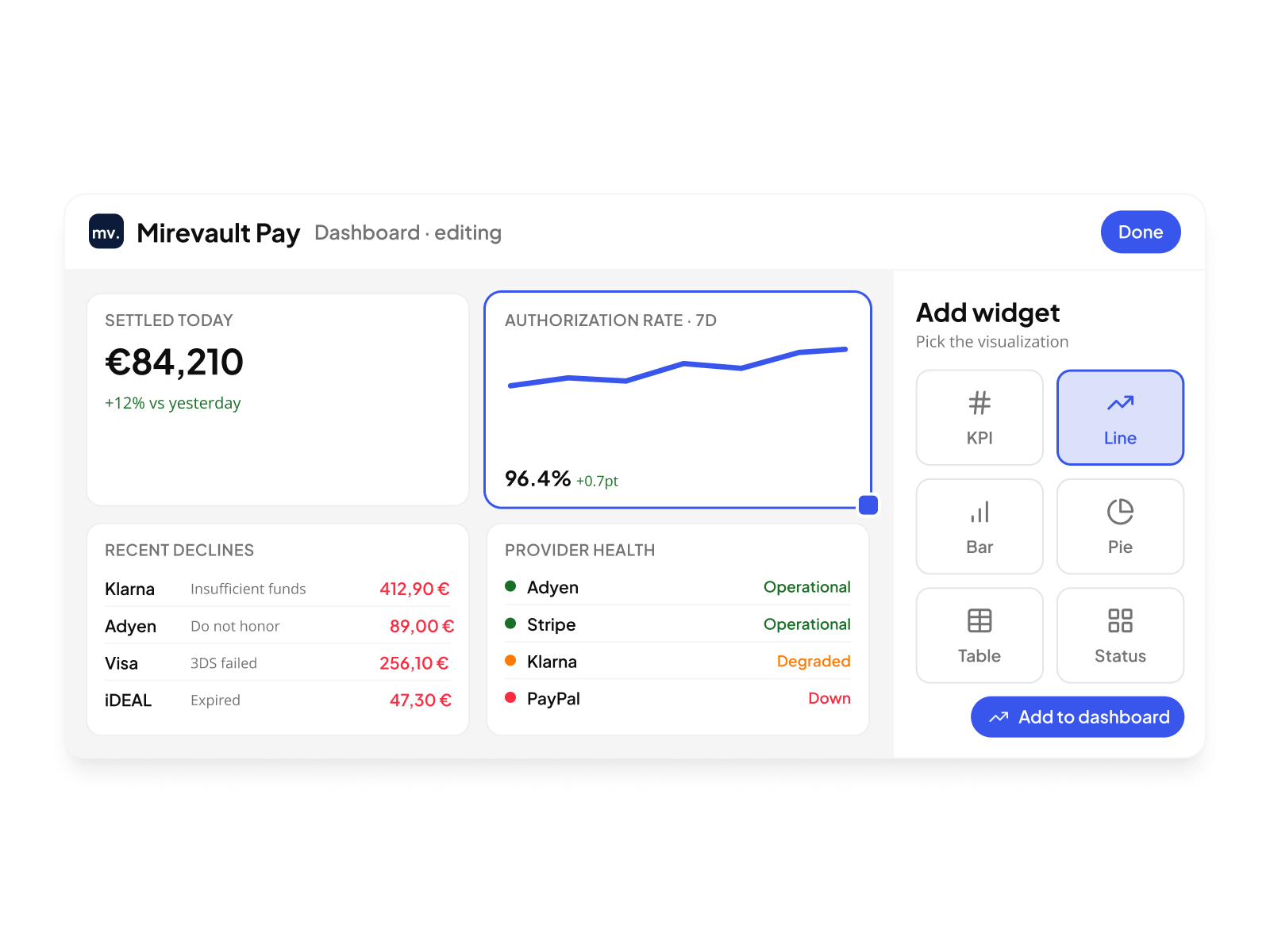
Each merchant composes its own dashboards. They pick the visualization that fits the indicator, place it, resize it, group it with others. The same metric can live in different dashboards under different forms, depending on who is looking at it. Operational reality drives the layout, not the platform default.
Merchant dashboard composed of payment indicator widgets
Exports
Exports that match your merchants' processes
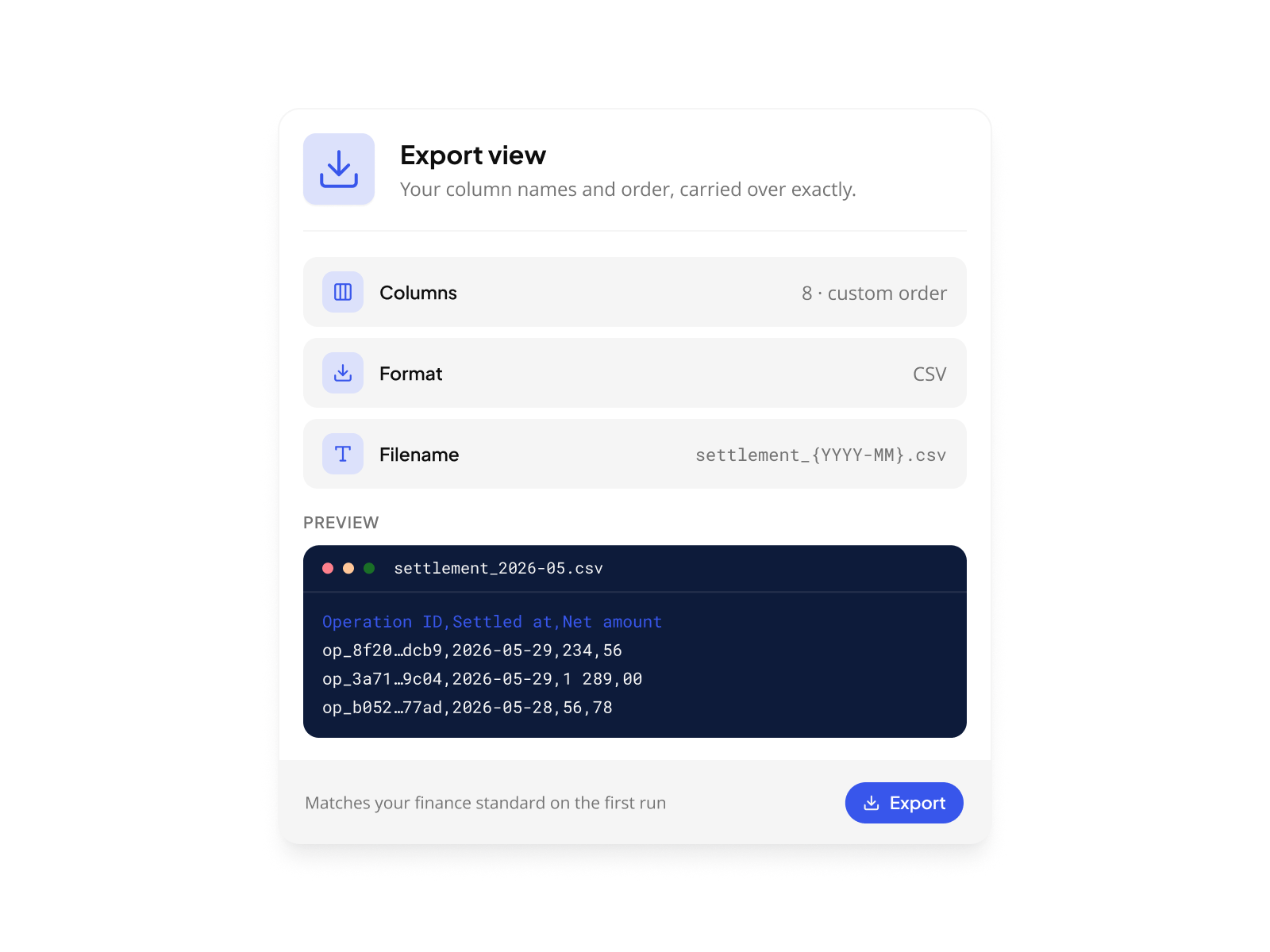
Every view your merchants build can become an export. Column names, field order, file format and filename pattern all carry over. The CSV that lands in their finance system matches their accounting standard from the first run. No reformatting step. No second-class report builder.
Export configuration showing column names, file format and filename pattern

The best infrastructure is the one
your merchants never notice.

Discretion is not a feature we sell. It is how the product is built.

Book a demo